Hedge Trimming in Ilford
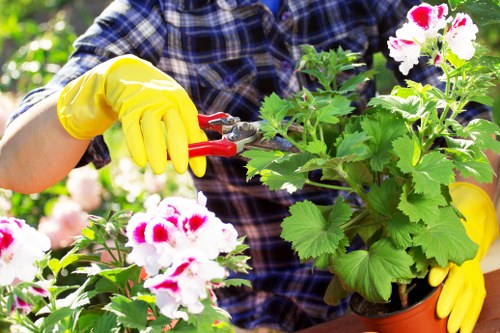
Hedge Trimming in Ilford means keeping boundary planting neat, healthy and under control with careful, regular cutting. Our service focuses on shaping hedges to a tidy line, managing height and width, and maintaining a finish that suits the garden and the property. Where hedges have become uneven, overextended or simply too dense, we can restore a clearer outline and help the plants keep a more balanced form over time.
The work can suit front gardens, rear gardens and shared outside spaces where a crisp edge or safer clearance is important. Our services overview gives a simple starting point for the wider range of garden work we provide, while hedge work itself stays focused on the shape, thickness and condition of the planting. For a straightforward quotation, you can send the details of the hedge and the access available.
Hedges are not all cut in the same way. Evergreen screens, formal clipped borders and mixed garden boundaries each need slightly different handling, especially where growth patterns differ across the length of the hedge. Careful trimming helps avoid harsh bare patches and supports a more even appearance, while also making it easier to keep lines straight and edges clean from one visit to the next.
Shaping and routine hedge care
Routine hedge trimming is usually best done with a clear eye on the final outline rather than simply cutting back whichever shoots are longest. That approach helps preserve symmetry, keeps the hedge within its intended space and prevents one side from pulling ahead of the other. We can work to a formal shape where needed, or keep a softer natural line if that better suits the planting and setting.
For many gardens, the main decision is how much of the season’s growth should be removed. Light trimming can keep a hedge neat without making it look too severe, while more substantial reduction may be needed when the hedge has gone beyond its usual size. When the job is planned sensibly, trimming supports better light, easier access and a more ordered finish.
If you are thinking about a regular maintenance pattern, garden maintenance can provide a useful wider frame for hedges, borders and general outdoor upkeep. A well-kept hedge often depends on periodic attention rather than one-off correction, so a measured approach is usually better than leaving growth to become dense and then trying to resolve everything at once.
Overgrowth reduction and boundary control
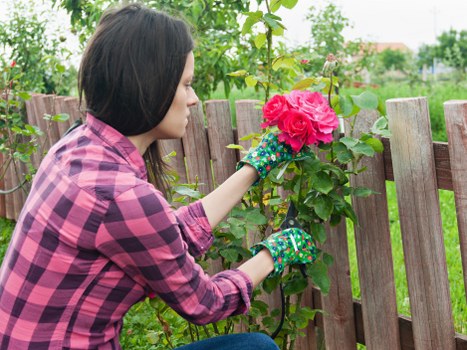
Some hedges need more than a light tidy. When growth has narrowed paths, spread over fences or started to obscure windows and entrances, reduction work can bring the hedge back into a practical range. The aim is not to strip the plant bare, but to restore usable dimensions and a controlled profile. Where possible, we work in a way that preserves healthy growth for the next season.
Reducing a hedge can involve careful consideration of the plant type, the amount of live growth left behind and the shape needed for recovery. In some cases, it is better to take a little less and return later than to cut too hard in one visit. That judgement matters when a hedge forms an important privacy screen or a visible frontage and must continue to look presentable after the work is complete.
For gardens with broader structural changes, landscape gardening may sit alongside hedge work where planting, levels or layout need to be improved together. The hedge remains the main focus here, but boundary planting often works best when it is considered as part of the garden as a whole rather than as an isolated task.
Formal finishes, privacy and visual balance
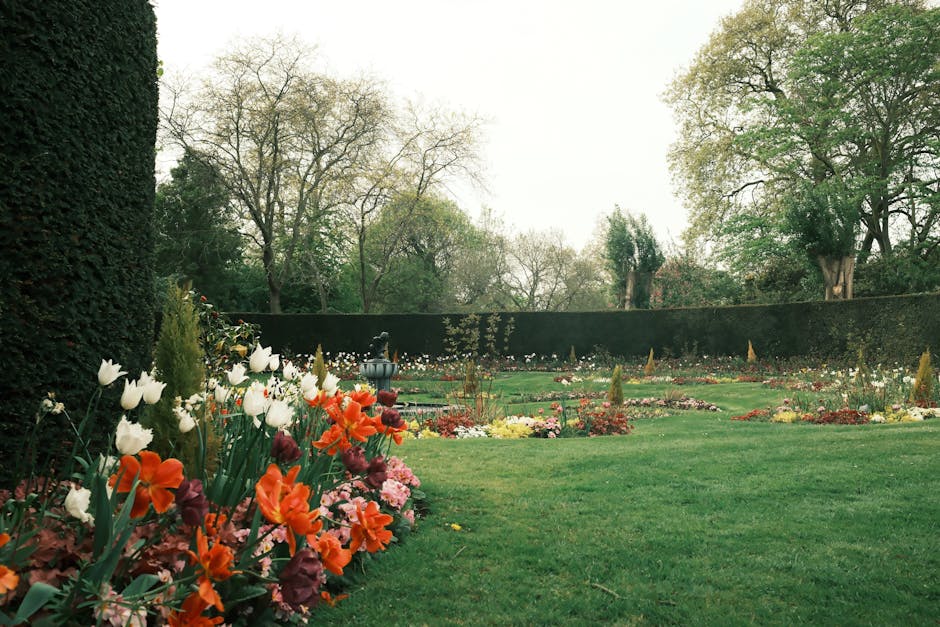
Many customers want hedges trimmed not simply to reduce growth, but to keep the garden looking composed. A clean finish can make paths feel wider, frame entrances more neatly and improve the visual rhythm of the property. When hedges are used as living boundaries, a steady line and consistent height can make a surprising difference to how the whole space feels.
Formal hedges usually benefit from regular attention because small deviations become obvious quite quickly. By contrast, looser hedges can sometimes tolerate a softer trim, provided the shape still supports the garden and does not interfere with movement or light. We can adapt the approach to the hedge’s role, whether it is mainly decorative, practical or intended to provide screening.
For customers comparing options, pricing and quotes can help frame what affects the scope of work. Hedge length, height, density, access and the amount of cutting required all influence the scale of the job. If you are ready to move forward, send a brief description and request a quotation.
Cutting methods and finish standards
Different hedge types respond better to different tools and levels of finish. A dense evergreen hedge often needs a steady, even pass to keep the outside surface smooth, while a lighter or more decorative hedge may need a more selective cut to preserve its character. The aim is always a controlled result that looks deliberate rather than rushed.
Where the hedge edges meet lawns, borders or paving, the finish benefits from clear definition. Trimming alone can leave a good outline, but a careful final check helps the hedge sit neatly against the rest of the garden. That extra attention is especially useful on visible front boundaries, where the first impression depends on small details as much as on the main line.
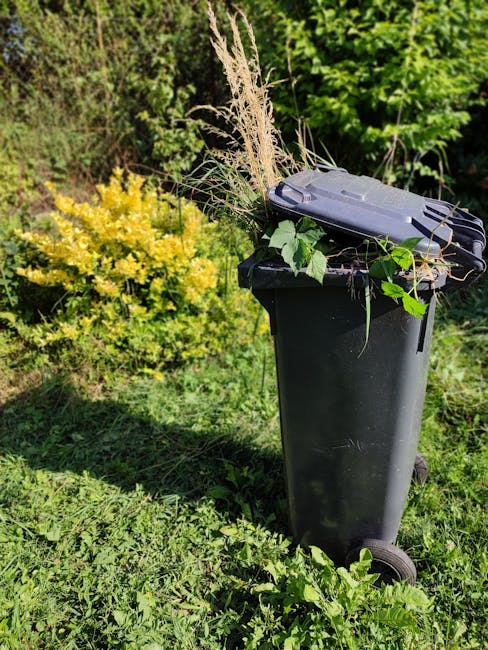
Garden clearance can be relevant when hedge work forms part of a larger tidy-up and the space also contains cuttings, brambles or other garden waste to be handled. It is usually better to combine related work sensibly than to leave the hedge finished but the surrounding area still looking unfinished.
Hedge maintenance through the year
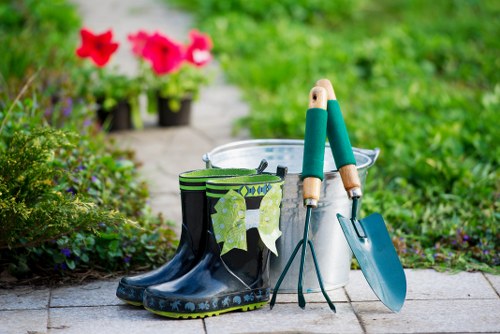
Hedges change steadily through the seasons, so timing matters. Some are best trimmed to maintain a tidy outline through the growing months, while others need less frequent intervention but more careful planning when they are cut. A good maintenance pattern keeps the hedge manageable and reduces the chance of large corrections later on. It also helps the hedge remain healthier by avoiding unnecessary stress.
If a hedge has started to thicken inside, outer trimming alone may not be enough to keep it attractive. In those cases, measured attention can improve airflow and make the hedge easier to maintain without forcing an overly harsh cut. The right approach depends on the hedge’s age, species and purpose, so a one-size-fits-all method is rarely ideal.
For gardens where hedge care sits alongside mowing, edging or repeated tidying, lawn mowing is another useful service page to explore. Keeping the hedge and lawn in proportion often gives the strongest overall result, because the boundary and the open areas are visually connected even when they are maintained as separate tasks.
Preparation, access and what helps the quotation
To prepare a quotation, it helps to know the hedge length, approximate height and whether it is reachable from one side or both. Details about gates, narrow access, slopes or nearby obstacles can also matter, because they affect how the work is carried out. If the hedge sits close to fragile planting or garden features, mentioning that in advance helps ensure the plan is suitable.
Photographs are useful when they show the hedge’s full run, the ends, and any places where the shape has become uneven. A short note about whether the aim is a light tidy, a substantial reduction or ongoing maintenance is often enough to start the conversation. This is usually the clearest way to request a quotation without overcomplicating things.
Some customers also want to understand how the hedge work fits with other garden tasks. In those cases, landscaping may be relevant where the wider garden layout is being improved, though the hedge service itself remains distinct. If you already know the outcome you want, simply state it clearly and ask for a quotation.
About Ilford
Ilford is a major town in east London, historically the principal settlement in the ancient parish of Barking and later a municipal borough before becoming part of the London Borough of Redbridge in 1965. It lies on the River Roding corridor and has long been shaped by routes connecting the City of London with Essex and the wider east. The town grew significantly in the nineteenth and early twentieth centuries, especially after the arrival and expansion of rail services, and that growth left a varied urban landscape of terraces, civic buildings and later commercial development. Central Ilford is known for its busy town-centre character, while surrounding districts include quieter residential streets, older suburban roads and pockets of green space. Valentines Park is one of the best-known open areas, with landscaped grounds associated with Valentines Mansion, a country house whose origins go back to the seventeenth century. The mansion and park provide a contrast to the denser shopping streets nearby and remain an important part of the local identity. Ilford also has cultural breadth shaped by migration and long-term settlement, reflected in the variety of shops, places of worship and community activity found across the area. The town’s position on the Elizabeth line and other transport links has strengthened its role as a link between inner and outer east London, while its older streets, surviving historic buildings and mix of residential and commercial uses continue to give it a character that is distinctly its own.
Tree growth, boundaries and garden edges
Hedges sometimes sit alongside trees that alter the light, shape and growth pattern of the boundary. Where that happens, the cutting plan needs to respect both the hedge and the nearby planting so that the garden still feels balanced afterwards. A hedge trimmed hard on one side may need time to recover its appearance, so it is often better to make considered cuts and keep the overall structure intact.
When the hedge is part of a broader line of greenery, the relationship between height and width becomes important. Too much spread can make the garden feel enclosed, while too much reduction can make the boundary look thin. The right finish tends to sit between those extremes, leaving a neat edge and a healthy amount of growth to support the next stage of development.
Tree lopping and removal may be relevant where overhanging trees are affecting the hedge line or creating competing growth above the boundary. The two tasks are different, but they can influence one another in practical ways. If you are unsure which work is needed, a clear description of the plants involved is usually enough to guide the first reply.
Supporting a tidy garden frontage
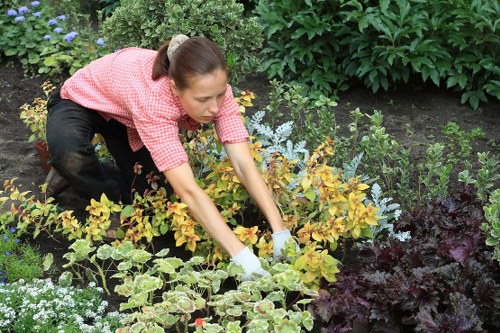
A well-trimmed hedge often does more than define a line. It can improve the presentation of the whole frontage by giving structure to the garden and helping the property look cared for. Where hedges frame entrances, driveways or paths, a measured cut can create a more welcoming appearance without making the planting feel severe. That balance is often what customers are looking for.
Front hedges may also need attention to maintain sightlines and ensure the boundary does not become intrusive. In these settings, the work has a practical purpose as well as a visual one. We can trim with that in mind, keeping the hedge within its space while still leaving enough growth to protect privacy and remain visually substantial.
If you would like to discuss the work in context with other garden improvements, decking services may be relevant where a hedge borders a seating or access area and the garden is being planned more widely. For the hedge itself, the next step is simple: get in touch and request a quotation.
What our hedge trimming service can include
Our hedge trimming service can cover routine shaping, height control, width reduction and the tidying of visible faces where the hedge has become uneven. Depending on the plant and the level of growth, we can aim for a crisp formal line or a calmer natural finish. The emphasis is on keeping the hedge manageable and in proportion with the surrounding space.
Useful decisions often come down to the hedge’s current condition. A hedge that is already dense may need patience and staged attention, whereas a hedge that is broadly in shape may only need a neat maintenance pass. In either case, the work should leave the hedge looking deliberate, with the cut matching the plant rather than forcing a shape that does not suit it.
For customers who want to understand how hedge care sits within longer-term garden upkeep, the services overview offers a broader map of related work. Trim, shape, and maintain is the practical message here: keep the hedge useful, attractive and suited to the garden rather than allowing it to overrun its setting.
Requesting a quotation

If you are ready to ask for a quotation, send a brief summary of the hedge, the location in Ilford and the type of finish you want. A few clear details are usually enough to start the process, especially if you include approximate size, access and any points that need care. That information helps shape a practical response without unnecessary back-and-forth.
It also helps to mention whether the work is for a one-off tidy, a fuller reduction or an ongoing maintenance arrangement. If the hedge forms part of a wider garden update, you can say so, but the main focus should stay on the hedge itself so the quotation can be based on the right scope. Ask for a quotation whenever you are ready.
For further practical details about arrangements, contact us is the best place to start. If you prefer to review the basics first, the supporting pages cover the wider service range and useful information before you decide how to proceed.