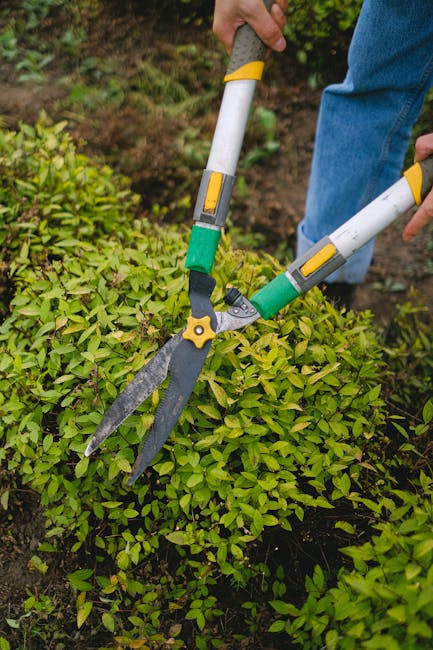
Ilford gardeners extra fees mistakes to avoid: a practical guide to getting fair, transparent pricing
If you have ever asked for garden help and then felt your stomach drop at the final invoice, you are not alone. Hidden add-ons, vague labour charges, and "small extras" can turn a simple job into an expensive one fast. That is why understanding Ilford gardeners extra fees mistakes to avoid matters before you book anyone for hedge work, lawn care, clearance, or broader garden maintenance.
This guide explains where extra fees usually come from, how to spot them early, and the simple questions that help you protect your budget. It is written for real homeowners and landlords, not just people shopping around for the cheapest number on a quote. To be fair, a low quote can look brilliant right up until the first awkward surprise appears.
You will also find a checklist, a comparison table, and a realistic example from a typical Ilford job so you can see how the moving parts fit together. And yes, a bit of careful planning now can save you the sort of back-and-forth nobody enjoys.
Why Ilford gardeners extra fees mistakes to avoid Matters
Garden work often looks straightforward from the outside. A hedge needs trimming, the lawn needs cutting, or a border needs tidying up. But once someone is on site, the job can change shape quickly. Overgrown shrubs, restricted access, green waste, disposal time, wet ground, broken tools, parking issues, or extra labour can all affect the final cost.
The problem is not that every extra charge is unfair. Some are genuine and sensible. The problem is surprise. If you do not understand what is included, you may agree to a quote that only covers the easiest part of the job. Then the real work starts, and so does the invoice creep.
For homeowners in Ilford, this matters even more because gardens vary so much. A small front space can look simple, while a back garden with mature hedging, heavy waste, or awkward access can take far longer than expected. The same service can cost very differently depending on the condition of the garden, the volume of waste, and whether specialist equipment is needed.
That is why the smartest approach is not "find the cheapest gardener". It is "understand the pricing structure before anyone starts". Small difference, big result.
Expert summary: the best way to avoid extra fees is to ask what is included, what counts as an add-on, and how changes are priced before work begins. Clarity beats chasing the lowest headline number every time.
How Ilford gardeners extra fees mistakes to avoid Works
Most extra-fee issues start with one of three things: unclear quoting, missing site information, or assumptions on both sides. The gardener assumes the scope is obvious. The customer assumes the quote covers everything. Then, halfway through the job, both realise they were picturing different things. It happens a lot.
In practice, a proper quote for garden work should set out:
- the exact tasks included
- the size or scope of the area
- whether waste removal is included
- how access, parking, and loading are handled
- what happens if the job takes longer than expected
- any separate charge for specialist tools or disposal
Some services are simpler than others. For example, recurring garden maintenance is often easier to price than a one-off overgrowth clearance because the condition of the garden is already known. Likewise, routine lawn mowing may be much more predictable than a first-time visit to a neglected plot with long grass, hidden debris, and a bin full of clippings.
When a service is more complex, estimates are usually based on time, labour, waste, and risk. That does not mean the provider is being awkward. It just means the garden is not as simple as it first looks from the gate. Truth be told, a few metres of brambles can change a whole afternoon.
The key is to treat pricing as a conversation, not a guessing game.
Key Benefits and Practical Advantages
Getting fee transparency right gives you more than cost control. It also helps the whole job run more smoothly and gives you better comparisons between providers. That is especially useful when you are choosing between a one-off tidy-up and a more structured service package.
- Better budgeting: you know the likely full cost before work starts.
- Fewer disputes: a clear scope reduces awkward conversations later.
- More accurate comparisons: you can compare like-for-like quotes instead of apples-to-oranges numbers.
- Less stress: there is no need to guess whether waste, materials, or labour are included.
- Smarter service choices: you can decide whether you need a quick visit or a fuller package.
There is also a quality benefit. Providers who explain pricing clearly tend to explain the work clearly as well. That usually means better planning, fewer rushed decisions, and a cleaner handover at the end. A tidy quote often signals a tidy process. Not always, but often enough to matter.
For larger jobs, such as garden clearance or broader landscaping, this becomes even more valuable. A clear price structure lets you see what part of the project is labour, what part is waste, and what might change if the site conditions differ from the original description.
Who This Is For and When It Makes Sense
This topic is useful for anyone arranging work with local gardeners in Ilford, but it is especially relevant if any of the following apply:
- you have not used the same gardener before
- the garden has been neglected for a while
- you need hedge work, clearance, or tree-related work
- access is tight, such as narrow side paths or limited parking
- you are comparing several quotes and one seems much lower
- you need regular help and want a stable monthly or seasonal budget
Landlords and letting agents should pay attention too. If a tenant has let a garden get away from them, the job can become more involved than expected. Same with property sales, where a last-minute tidy-up may need speed as well as care. And if you are managing a rear garden with a lot of pruning or waste, it is worth checking hedge trimming and tree lopping and removal pricing carefully, because those jobs can vary wildly depending on height, density, and disposal needs.
It also makes sense when you are not in a rush. The more time you give yourself to ask questions, the less likely you are to agree to a vague estimate just because someone sounded confident on the phone. Confidence is nice. Clarity is better.
Step-by-Step Guidance
If you want to avoid extra-fee headaches, use a simple process before booking any gardener in Ilford.
1. Describe the garden honestly
Do not tidy the whole place mentally and then describe the "easy version" of it. Mention the long grass, the waste pile, the overgrown hedge, the broken fence panel, the muddy access, and any awkward corners. If you leave something out, the quote may look lower than it should.
2. Ask what the quote actually includes
Use plain language. Ask whether the price covers labour, waste removal, fuel, equipment, and any return visit. If the provider offers pricing and quotes information, review it carefully and still ask questions where the wording feels broad. Broad wording is where surprises like to hide.
3. Check for common add-ons
Common extra charges may include:
- heavy or excessive green waste
- thorny, woody, or very dense growth
- extra time caused by poor access
- parking or loading delays
- special equipment hire
- same-day or short-notice scheduling
4. Confirm how changes are handled
If the gardener finds a bigger job on arrival, ask how that will be agreed. Will they call you first? Will they stop at the original scope? Will they price additional work by the hour or by a revised fixed quote? This is one of those boring questions that saves money later. Boring, yes. Useful, absolutely.
5. Keep the agreement in writing
A text message, email, or written quote helps avoid "I thought you meant..." moments. You do not need a legal novel. Just enough detail to show what was agreed, what the price covers, and what counts as an extra.
6. Review the finish and ask for a breakdown if needed
If the final bill includes additions you did not expect, ask for a calm explanation. Sometimes the charge is fair and easy to justify. Sometimes it is the result of a misunderstanding. Either way, you deserve to know what changed.
Expert Tips for Better Results
There are a few habits that tend to separate smooth jobs from messy ones. None of them are complicated, which is the lovely thing about them.
- Ask for a site visit on larger jobs: photos are helpful, but they do not always show access issues or hidden waste.
- Be specific about timing: "as soon as possible" is fine, but short-notice work may cost more.
- Separate routine work from one-off work: regular maintenance is easier to price than recovery work.
- Check waste expectations: if clippings, branches, or soil need removal, say so early.
- Discuss repeat visits: if the job might need two stages, get that built into the plan.
Another useful tip: do not assume the cheapest quote is the best if it is noticeably lighter on detail than the rest. A quote that leaves out the awkward bits can look great on paper and then wobble later. We have all seen that pattern. It is a bit like buying a coat because the label said "water-resistant" and then discovering the drizzle won anyway.
If your project is broader than simple tidying, it may help to look at a service overview before you ask for prices. A page like services overview can help you understand how different jobs sit together, while about us is useful if you want to understand the team's approach before you trust them with your garden.
Common Mistakes to Avoid
This is the section that probably saves people the most money. Let's keep it blunt.
1. Only asking for the headline price
If you ask, "How much for the job?" and stop there, you may only get a partial answer. Better to ask what is included and what could change the total.
2. Describing the job too loosely
"Just a bit of tidying" means different things to different people. One person means a quick sweep. Another means removing a skip-load of cuttings. Be precise. It feels fussy, but it matters.
3. Forgetting about waste disposal
Garden waste is one of the most common sources of extra cost. A job can look simple until bags, branches, and clippings need loading, transporting, and disposing of properly. If waste is part of the job, say so at the quoting stage.
4. Ignoring access and parking
If tools and waste must be carried a long way from the van, that extra labour can be real. Narrow side access, locked gates, steep steps, or limited parking should all be mentioned early.
5. Assuming a fixed price means every change is included
Even a fixed-price quote has boundaries. If the garden is bigger than described, or you later ask for extra work, the price may need revising. Fixed does not mean magical.
6. Not asking about specialist work
Some tasks need more than basic garden tools. Mature hedges, tree work, awkward slopes, or hard landscaping may bring different costs and different risks. If the task crosses into landscape gardening or more technical work, ask whether the quoted price reflects that level of complexity.
7. Skipping the written record
It is easy to rely on memory after a friendly phone call. Then the details blur. A written summary is simple insurance against confusion.
A small human note here: when people ring up on a bright Saturday morning and say the garden is "basically fine", they often mean "there's a bit of a jungle situation". That is fine. Just say it plainly. Everyone saves time.
Tools, Resources and Recommendations
You do not need special software or a spreadsheet obsession to manage garden pricing. A few simple tools are enough.
- Photos from different angles: take wide shots, close-ups, and a picture of any awkward access route.
- Approximate measurements: rough hedge length, lawn size, or number of waste bags helps a lot.
- A written list of priorities: tell the gardener what must be done first and what can wait.
- Basic timing notes: mention whether the work needs to happen before guests arrive, tenants move in, or a property goes on the market.
- Service comparison notes: jot down what each quote includes, not just the total.
If you want to make a better decision around recurring work, compare routine services with one-off jobs. For instance, lawn mowing and garden maintenance can often be planned on a schedule, while clearance or heavy pruning may need more flexible pricing.
For bigger outdoor upgrades, you may also want to think beyond the immediate tidy-up. A project involving decking services or broader landscaping is more likely to involve staged pricing, materials, and site preparation. In those cases, a clear scope matters even more than usual.
Law, Compliance, Standards, or Best Practice
Garden pricing itself is not usually the place for complex legal drama, but there are still sensible UK best-practice considerations. A professional gardener should be clear, honest, and not misleading about what is included. If they quote a price, they should be able to explain how it was reached.
For safety-related jobs, especially tree work or work involving ladders, cutting equipment, or heavy waste, it is reasonable to ask about insurance and working practices. The details will depend on the job, but a cautious client is not being difficult. They are being sensible.
It also helps to look for straightforward terms and conditions, payment expectations, and any stated complaints route. If a business publishes a clear terms and conditions page, a payment and security statement, and an insurance and safety page, that usually gives a better sense of how they operate. None of that replaces common sense, of course, but it does help.
For waste and sustainability questions, ask whether green waste is separated, composted, mulched, or removed responsibly. A business that cares about recycling and sustainability is often more thoughtful about disposal too. Again, not a guarantee, just a useful signal.
If something goes wrong, it is reassuring to know whether there is a published complaints procedure. Most jobs go fine. But if you ever need to query a bill, having a process helps keep things calm and professional.
Options, Methods, or Comparison Table
Here is a simple comparison of common pricing approaches you may come across when hiring gardeners in Ilford.
| Pricing method | Best for | Advantages | Watch-outs |
|---|---|---|---|
| Fixed quote | Clear, well-defined jobs | Easy budgeting, fewer surprises | Scope must be described properly or extras may apply |
| Hourly rate | Uncertain, messy, or changing jobs | Flexible if the job evolves | Total cost can rise if the work takes longer than expected |
| Estimated range | Jobs with unknown waste or access issues | Useful for complex visits | Needs careful explanation so the range is not too vague |
| Package or recurring plan | Regular maintenance | Predictable budgeting, steady upkeep | May not suit one-off overgrown gardens |
In most real situations, the right option depends on how clear the job is from the start. If the garden is well kept and the task is routine, fixed pricing often works well. If the site is overgrown or has hidden issues, an estimate or hourly arrangement may be more honest. That honesty is worth paying for.
Case Study or Real-World Example
Picture a typical back garden in Ilford. The owner wants the hedges cut back, the lawn tidied, and the borders cleared before a family gathering. On the phone, it sounds like a half-day job. The quote is tempting because it looks neat and tidy.
But on arrival, the gardener finds three things that were not obvious from the first description: a much larger hedge than expected, wet clippings that are heavy to move, and a narrow side passage that slows down waste removal. Suddenly the original number no longer covers the real work. Now, if the gardener has explained beforehand that access, waste, and hedge density could affect the price, the conversation stays calm. If not, everyone gets irritated. Nobody wants that feeling on a Thursday afternoon with pruning shears in one hand and a disputed invoice in the other.
The better version of this story is simple. The customer sends a few photos, explains that access is tight, and asks whether waste removal is included. The gardener gives a clearer quote and flags that very heavy waste may incur an extra charge if the amount turns out to be much higher than expected. The job gets done, the bill makes sense, and the garden is ready for the weekend. Not glamorous. Just good business.
That is the real goal here: not just a lower price, but a price you can trust.
Practical Checklist
Use this before accepting any quote from a gardener in Ilford.
- Have I described the garden honestly, including overgrowth and waste?
- Do I know exactly what the quote includes?
- Have I asked about waste removal and disposal costs?
- Have I mentioned access, parking, gates, and carrying distance?
- Do I know whether the price is fixed, hourly, or an estimate?
- Have I asked what happens if the job takes longer or changes on site?
- Is the agreement written down somewhere simple and clear?
- Have I compared quotes on scope, not just total cost?
- Do I understand any extra charges for specialist tools or short notice?
- Have I checked the business's terms, payment expectations, and safety information?
If you can tick most of those off, you are already ahead of many customers. Honestly, that alone removes a lot of stress.
Conclusion
Avoiding unexpected charges from gardeners is not really about being suspicious. It is about being informed. When you understand the common traps around scope, access, waste, and timing, you can compare quotes properly and choose a service that feels fair as well as affordable. That is the heart of Ilford gardeners extra fees mistakes to avoid.
Start with clear photos, honest descriptions, and direct questions about what is included. Then look for a provider who explains prices in a way that feels straightforward rather than slippery. A good quote should make you feel calmer, not more confused.
If you are planning garden work soon, take the extra five minutes to ask the awkward questions now. It usually pays back many times over, and you will be glad you did when the bill arrives looking exactly as expected.
Get a free quote today and see how much you can save.
And if you are still weighing up the best next step, remember this: clear pricing is not a luxury. It is part of a well-run garden job, and it should feel that way.
Frequently Asked Questions
What are the most common extra fees when hiring gardeners in Ilford?
The most common extras are waste removal, difficult access, parking or carrying issues, heavy overgrowth, specialist equipment, and short-notice work. These are not always unfair, but they should be explained before the job starts.
How do I know if a gardener's quote is fair?
Compare what is included, not just the total price. A fair quote usually explains labour, waste, equipment, access assumptions, and any possible add-ons. If the quote is very short and vague, ask for more detail.
Should waste removal always be included in the price?
Not always. Some gardeners include it, while others price it separately depending on volume and disposal needs. You should ask directly so you are not assuming the wrong thing.
Is a fixed-price quote better than hourly pricing?
It depends on the job. Fixed pricing is often best for clear, routine tasks. Hourly pricing can make more sense for uncertain or changing jobs. The key is knowing how the quote works before you agree.
What should I tell a gardener before they visit?
Be honest about the garden's condition, access, waste, parking, and any special issues like steep steps or locked gates. A fuller description usually leads to a more accurate quote.
Can gardeners charge extra if the job turns out bigger than expected?
Yes, if the work genuinely exceeds what was described or agreed. Good practice is for the gardener to pause and confirm the change with you before continuing with extra work.
How can I avoid surprise costs on a garden clearance?
Send photos, mention all waste, ask whether disposal is included, and confirm how bulky or heavy material will be charged. If a job involves garden clearance, those details matter a lot.
Do regular maintenance visits usually have fewer hidden fees?
Often yes. Once a garden is under control, routine work such as mowing or maintenance is easier to predict. That usually means fewer surprises and smoother pricing.
What if I only need hedge trimming or a small tidy-up?
Even small jobs can have extra costs if the hedge is tall, dense, or hard to reach. It is still worth asking what the quote includes, especially if you need hedge trimming rather than a simple light cut.
Should I choose the cheapest quote I receive?
Not automatically. The cheapest quote can be good value, but only if it covers the same work as the others. If one quote is much lower and less detailed, it may be missing key costs that appear later.
What written proof should I keep before the work starts?
Keep the quote, any messages about scope or changes, and any agreement about waste or add-ons. It does not need to be formal. It just needs to be clear enough to avoid a memory mismatch later.
Where can I find more details about the company's service approach?
Pages like about us, services overview, and contact us can help you understand the business before booking. That extra context can be surprisingly useful.